Laser haemorrhoid treatment in Singapore, a calm step forward for troublesome piles.
Haemorrhoids and piles are very common, and there is nothing to be embarrassed about. When simple measures are not enough, laser haemorrhoid treatment is a minimally invasive option for suitable cases, usually a day procedure under anaesthetic. Dr Daniel Lee assesses your situation and gives you a clear plan, never rushing into anything.
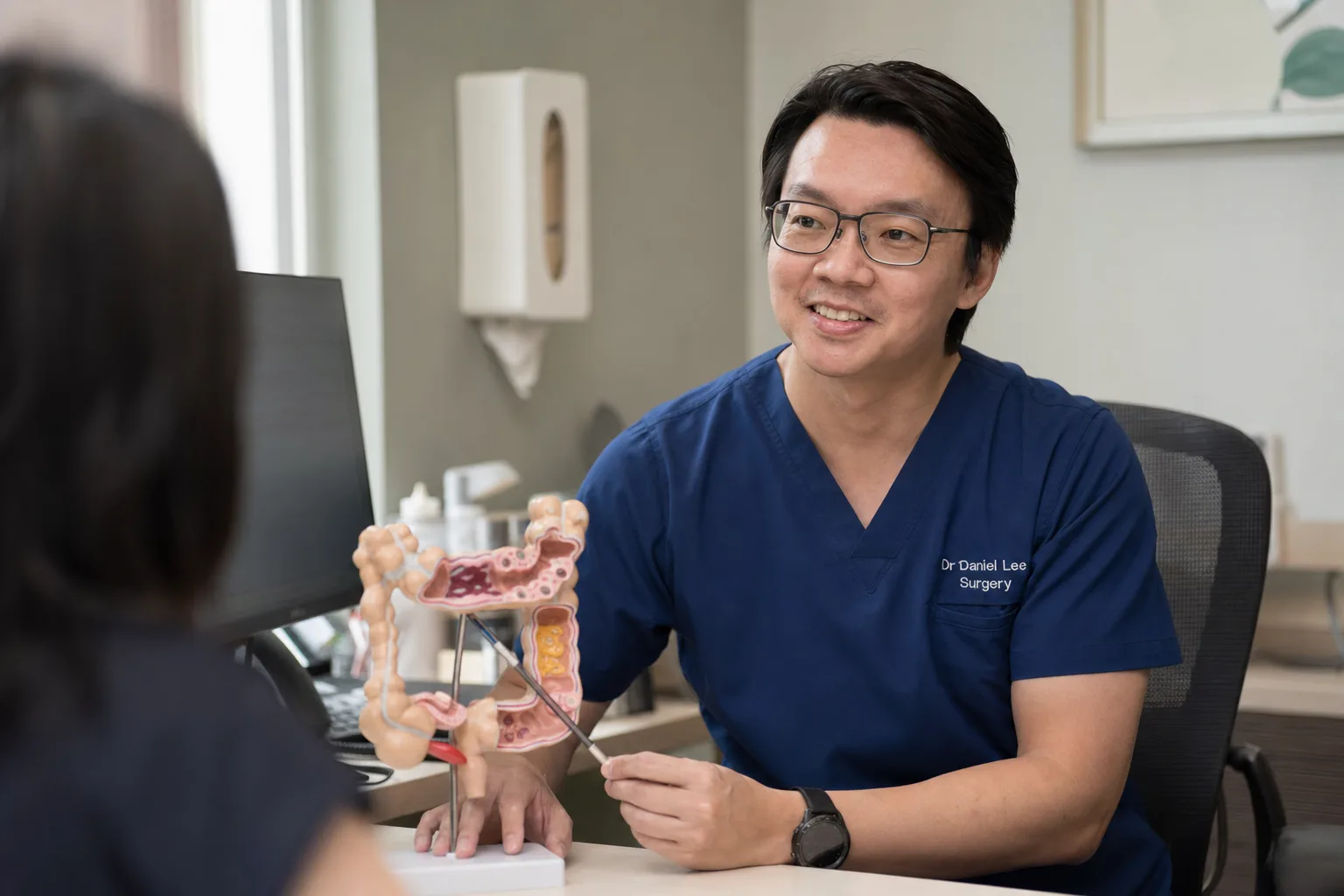
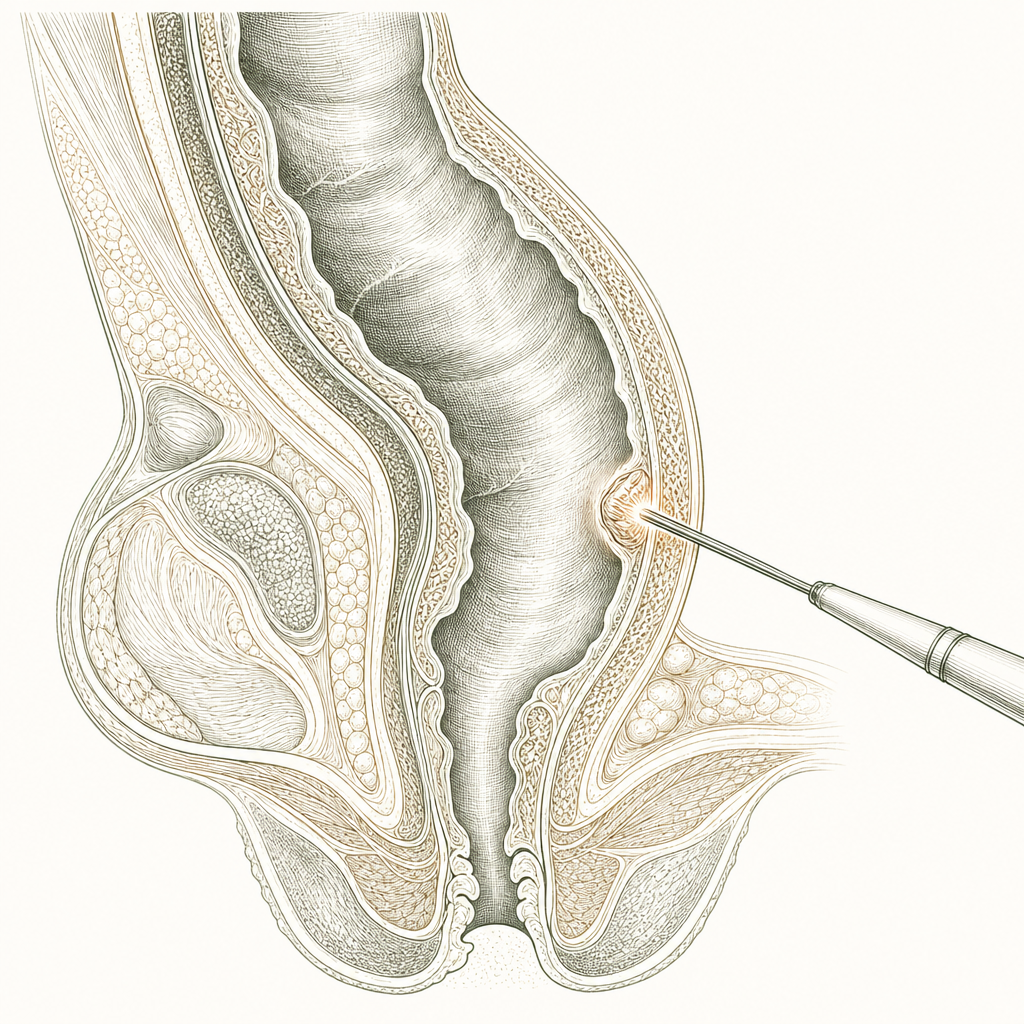
A minimally invasive option that uses laser energy to shrink haemorrhoid tissue, for suitable cases.
Laser haemorrhoid treatment, also called laser haemorrhoidoplasty, uses laser energy delivered through a small probe to shrink the swollen blood vessels that cause haemorrhoids. It is a minimally invasive approach that avoids a large incision and is usually performed as a day procedure under anaesthetic. Most patients return to their routine within a few days to two weeks. Dr Lee advises whether it is the right approach after assessing you.
Not every haemorrhoid needs a procedure. Conservative measures such as more fibre, fluids, and creams come first, and many people do well with those steps alone. Laser haemorrhoid treatment is one option for suitable cases where symptoms persist or the haemorrhoids are causing significant trouble. For a fuller picture of haemorrhoids and all the ways they can be managed, see the haemorrhoids and piles page.
Grade 2 and 3 internal haemorrhoids
Laser haemorrhoidoplasty is commonly used for internal haemorrhoids at grades 2 and 3, where the tissue causes symptoms but can be treated without a large incision. Dr Lee assesses the grade and advises the right approach.
Persistent symptoms after conservative care
If extra fibre, fluids, and creams have not settled the bleeding or discomfort over a reasonable period, a minimally invasive procedure may be the next step for suitable cases.
Day procedure under anaesthetic
Laser haemorrhoid treatment is usually done as a day procedure, meaning you arrive, have the procedure, and go home the same day. You are under anaesthetic throughout, so you will not feel anything during it.
An alternative to open surgery for selected patients
For suitable grades of haemorrhoids, laser haemorrhoidoplasty is generally associated with less post-procedure discomfort and a quicker return to normal activity than traditional open haemorrhoid surgery. Dr Lee explains which option fits your situation.
Symptoms that are worth getting assessed, and signs that should not wait.
Haemorrhoids are extremely common and often settle with simple changes. If symptoms keep returning, are getting worse, or are causing you significant worry, a proper assessment gives you a clear picture and a plan to deal with them.
- Bright red bleeding when you pass a bowel motion, on the toilet paper or in the bowl
- Itching, discomfort, or a persistent feeling of pressure around the back passage
- A soft lump or tissue that appears around the anus, especially after straining
- Bleeding or discomfort that keeps coming back despite trying dietary changes
- A feeling that the bowel has not fully emptied after going to the toilet
Some symptoms around the back passage should be assessed sooner.
Heavy or persistent rectal bleeding should not simply be assumed to be haemorrhoids without a proper assessment. A very painful hard lump around the anus, which may be a clotted or thrombosed pile, benefits from early review. Bleeding that occurs alongside unexplained weight loss, a change in bowel habit, or any new bleeding without a clear cause should be assessed, because other conditions can present in the same way and need to be ruled out. If you are unsure, it is always better to get things checked.
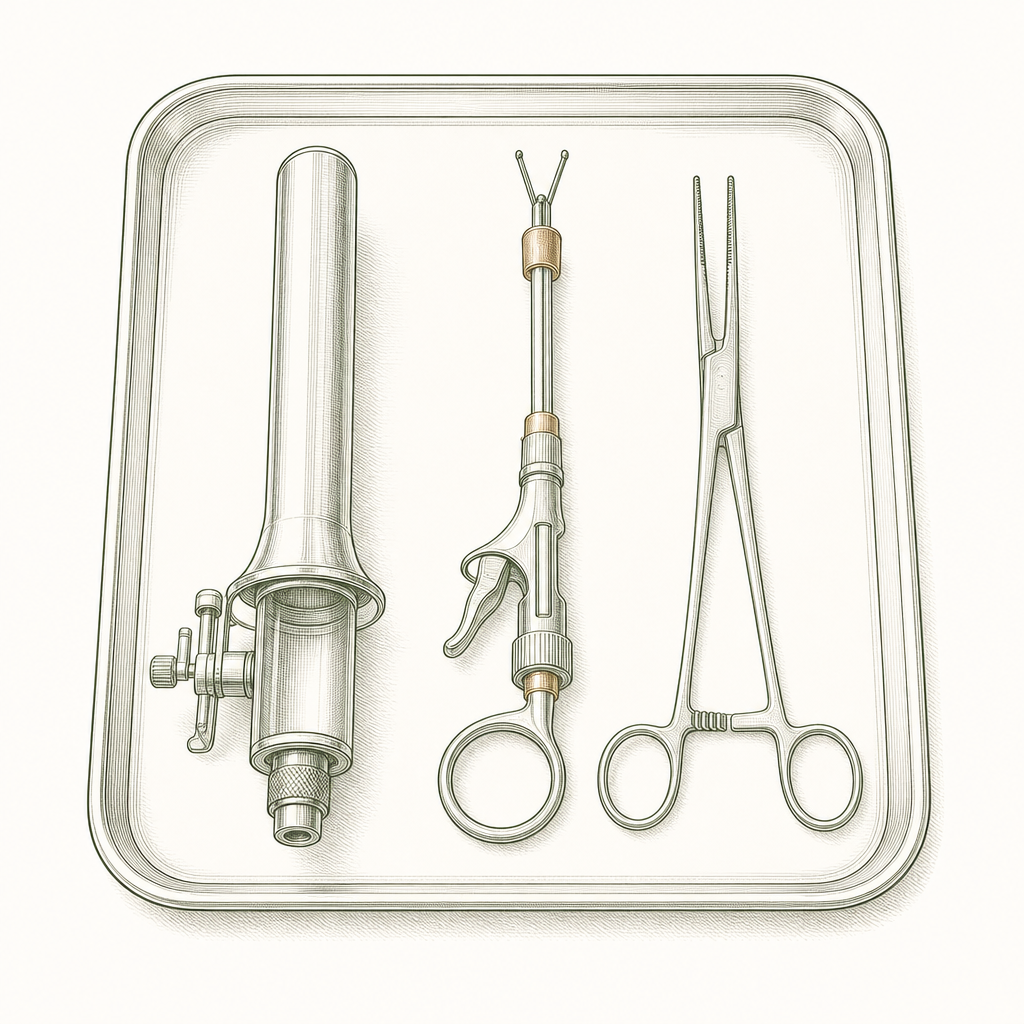
A day procedure under anaesthetic, with a clear plan before you leave.
Laser haemorrhoid treatment is performed under anaesthetic, so you are comfortable and unaware during the procedure. Dr Lee uses laser energy delivered through a small probe to shrink the haemorrhoidal tissue. The procedure is minimally invasive and typically takes less than an hour, depending on what is found.
Most patients go home the same day. Before you leave, Dr Lee explains what was done, what to expect during recovery, and what to look out for. You will have a number to reach the team if you have any concerns afterwards.
- General or regional anaesthetic, so you are comfortable throughout the procedure
- Laser energy delivered through a small probe to shrink the haemorrhoidal tissue
- Typically less than an hour for the procedure itself, depending on findings
- A day procedure in most cases, so you can go home the same day
A surgeon who built care around older patients.
For an elderly parent, the questions are different. Is the anaesthetic safe? Will recovery be steady? As the former Surgical Lead for Geriatric Surgery at Khoo Teck Puat Hospital, Dr Lee developed assessment and recovery pathways designed around older patients, and co-authored a 2024 review in the Journal of Gastrointestinal Surgery on how surgeon-led geriatric care drives good outcomes in older patients undergoing abdominal surgery.
For families weighing up an operation for a parent, that experience is the difference between a procedure and a recovery. More about Dr Lee's background and approach.
A quicker return to routine than open surgery, in most cases.
Home the same day
Most patients go home after the procedure. You will need someone to take you home, as you should not drive after an anaesthetic. A few days of rest helps the initial healing along.
Back to light routine within a few days to two weeks
Most people return to light daily activity within a few days to two weeks, leaving heavier lifting a little longer. Some mild soreness in the first few days is normal and settles on its own.
Clear written guidance to take home
Dr Lee gives you clear written instructions before you leave, covering what to eat, what to watch for, and when to call the team. You will not be left to guess what to do next.
Clear fees for laser haemorrhoid treatment, with MediSave and insurance guidance.
Your exact fee is explained clearly at consultation, before anything is scheduled.
You can check these figures against the published MOH fee benchmark page.
Anaesthetist and facility fees are charged separately and vary by hospital. Laser haemorrhoid treatment is typically a day-surgery procedure.
Use what you are entitled to
Haemorrhoid surgery is typically MediSave claimable, subject to the withdrawal limits set for the procedure. The team helps you apply it correctly.
Often covered by your plan
Day-surgery procedures are usually covered under Integrated Shield Plans. The team helps you understand what your plan covers before anything is scheduled.
We handle the claim
The team assists with the insurance forms and liaises with your insurer where possible, so you can focus on getting well.
The plans we work with.
Dr Daniel Lee practises with Colorectal Clinic Associates (CCA). The clinic works with the insurers below, and the team assists with claims and eligibility checks.






















Laser haemorrhoid treatment in Singapore, answered plainly.
What is laser haemorrhoid treatment and how does it work?
Do all haemorrhoids need laser treatment or surgery?
Will I be in pain during or after the procedure?
How long is recovery after laser haemorrhoid treatment?
Will MediSave or my insurance cover laser haemorrhoid treatment?
I am arranging this for an elderly parent. Is that different?
Laser haemorrhoid treatment across five private hospitals.
Related conditions Dr Lee treats.
A short message is enough to begin.
Whether this is for you or a family member, send a note with your name, number and what you are noticing. Dr Lee's team will reply on WhatsApp and arrange a time and location that suits you.