Anal fistula surgery in Singapore, a clear plan to close the problem for good.
An anal fistula is a small tunnel between the back passage and the skin nearby, almost always after a perianal abscess. It will not heal on its own, but with the right surgery it can be treated well. These problems are more common than you think, and the goal is a clear plan, not a frightening one.

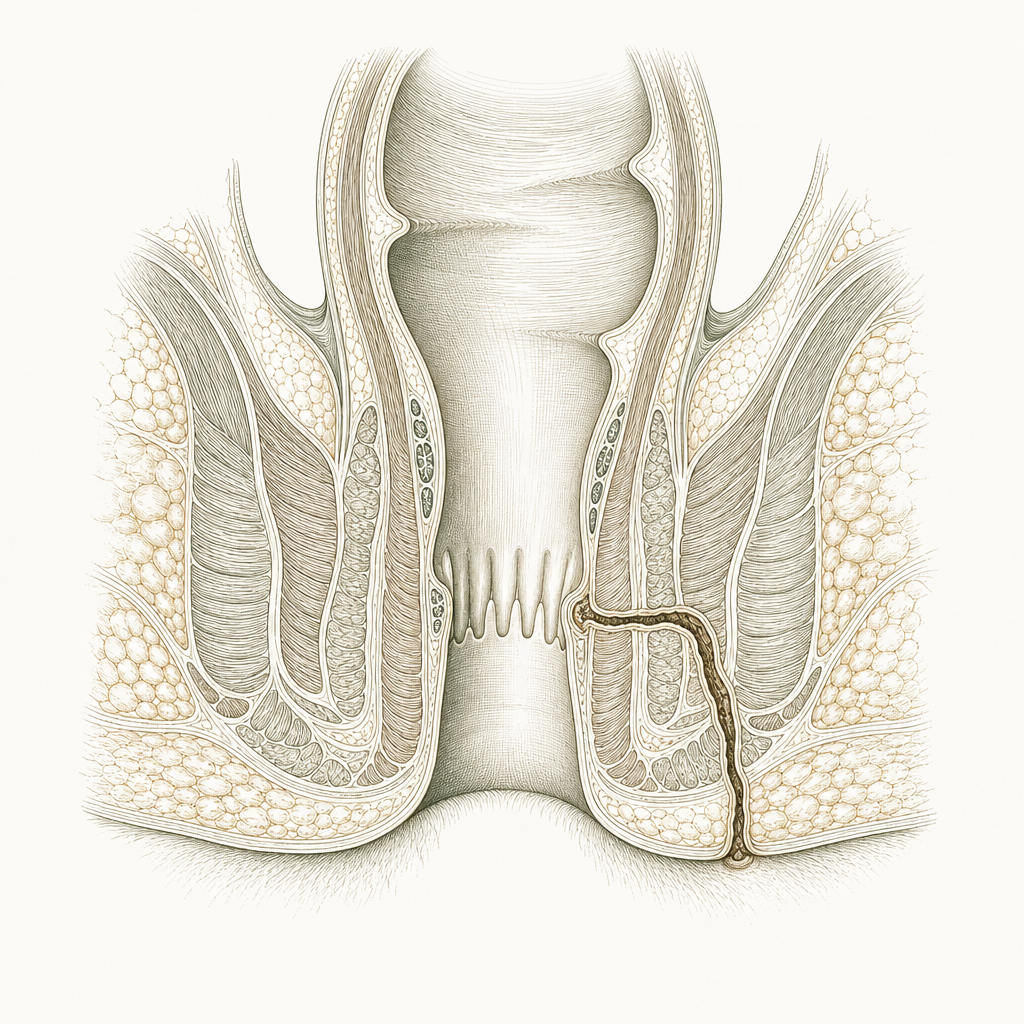
A small tunnel that will not heal on its own, but responds well to the right surgery.
An anal fistula is a small tunnel that connects the inside of the back passage to the skin around the anus. It almost always starts as a perianal abscess, a pocket of infection that drains or is drained, then leaves a tract behind. Because the tunnel connects to the gut, it does not heal on its own. The only lasting treatment for an anal fistula is surgery to close the tract.
Dr Lee assesses whether a fistulotomy, opening the tract along its length, or a sphincter-preserving technique such as the LIFT procedure, is the right approach for your anatomy. The choice depends on where the tract runs and how much sphincter muscle it crosses, because protecting continence is always part of the plan.
Low fistula, fistulotomy
When the tract runs close to the surface and involves little sphincter muscle, a fistulotomy opens the tunnel so it heals from the inside out. This is the most straightforward approach and has a low recurrence rate.
Complex fistula, sphincter-preserving
When the tract runs higher or crosses more sphincter muscle, a sphincter-preserving technique such as the LIFT procedure closes the fistula while protecting continence.
Seton placement
A seton, a fine thread placed through the tract, drains the area safely or treats the fistula in stages when a single operation would carry too much risk to the sphincter muscle.
Perianal abscess drainage
A perianal abscess is often the starting point of a fistula. Draining it under anaesthetic settles the infection quickly and allows any fistula to be identified at the same time.
Signs that point to an anal fistula, and when to get it seen.
An anal fistula does not heal without treatment. Many people put up with soreness, discharge, or a lump near the back passage for months, hoping it will settle. It does not. Getting it assessed early gives you a clear diagnosis and a straightforward plan.
- A lump, swelling, or soreness near the anus that does not go away
- A discharge of fluid or blood near the back passage, especially between bowel movements
- Pain that gets worse when sitting or during a bowel movement
- A history of perianal abscess that was drained but never fully healed
- Skin that is persistently wet, irritated, or broken around the anus
A perianal abscess is a same-day emergency.
If you develop sudden, throbbing pain near the back passage, especially with fever or chills, you may have an active perianal abscess. This needs to be drained promptly. Do not wait for a routine appointment. Go to a hospital emergency department on the same day. Treating it early is far simpler than leaving it to worsen, and it reduces the risk of a more complex fistula forming.
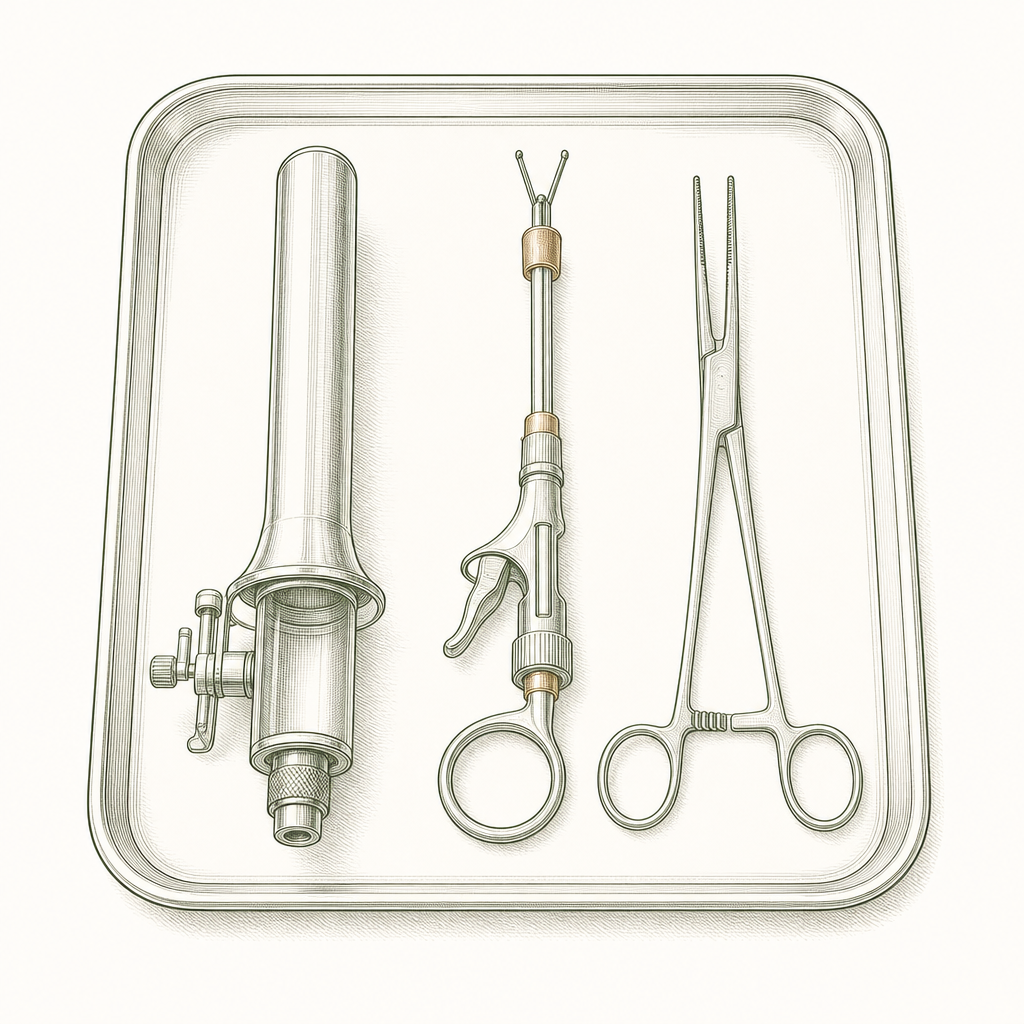
Anaesthetic, a short procedure, and clear instructions before you leave.
Anal fistula surgery is done under anaesthetic, so you are comfortable and asleep throughout. Dr Lee examines the fistula, confirms its path, and closes the tract using the approach matched to your anatomy and chosen to protect the sphincter muscle. Most procedures take under an hour.
Most patients go home the same day or after a short overnight stay. Dr Lee explains what was done and what to expect during healing, and you leave with clear written instructions and a way to reach the team if you have questions.
- Anaesthetic throughout, so you feel nothing during the procedure
- Day procedure or short stay, most people go home the same day
- Under an hour for most cases
- Clear written instructions on wound care and what to expect during healing
A surgeon who built care around older patients.
For an elderly parent, the questions are different. Is the anaesthetic safe? Will recovery be steady? As the former Surgical Lead for Geriatric Surgery at Khoo Teck Puat Hospital, Dr Lee developed assessment and recovery pathways designed around older patients, and co-authored a 2024 review in the Journal of Gastrointestinal Surgery on how surgeon-led geriatric care drives good outcomes in older patients undergoing abdominal surgery.
For families weighing up an operation for a parent, that experience is the difference between a procedure and a recovery. More about Dr Lee's background and approach.

A steady recovery, with clear next steps.
Home soon, moving gently
Most people go home the same day or after one night and are encouraged to move about gently from the start. You will need someone to take you home, as you should not drive after an anaesthetic.
Back to light activity within one to two weeks
Most people return to light daily activity within one to two weeks. The wound heals gradually from the inside out, and Dr Lee gives you clear guidance on wound care, diet, and what to expect at each stage.
Bowel care during healing
Keeping stools soft and regular helps the wound heal well. Dr Lee advises on simple dietary measures and what to watch for, so the recovery feels manageable and not uncertain.
Clear fistula surgery fees, with MediSave and insurance guidance.
Your exact fee is explained clearly at consultation, before anything is scheduled.
You can check these figures against the published MOH fee benchmark page.
Anaesthetist and facility fees are charged separately and vary by hospital. Anal fistula surgery is usually a day-surgery or short-stay procedure.
Use what you are entitled to
Anal fistula surgery is typically MediSave claimable, subject to the withdrawal limits set for the procedure. We help you apply it correctly.
Often covered by your plan
Day-surgery and short-stay procedures are usually covered under Integrated Shield Plans. We help you understand what your plan covers before anything is scheduled.
We handle the claim
The team assists with the forms and liaises with your insurer where possible, so you can focus on getting it done.
The plans we work with.
Dr Daniel Lee practises with Colorectal Clinic Associates (CCA). The clinic works with the insurers below, and the team assists with claims and eligibility checks.






















Anal fistula surgery in Singapore, answered plainly.
What is an anal fistula, and is it the same as a haemorrhoid?
Will an anal fistula heal on its own without surgery?
What is a fistulotomy, and will I lose bowel control?
How long is the recovery?
Will MediSave or my insurance cover the surgery?
I am arranging this for an elderly parent. Is that more complicated?
Anal fistula surgery across five private hospitals.
Related conditions Dr Lee treats.
A short message is enough to begin.
Whether the fistula surgery is for you or a family member, send a note with your name, number and what you are noticing. Dr Lee's team will reply on WhatsApp and arrange a time and location that suits you.