Faecal incontinence treatment in Singapore, a calm step to regaining control.
Many people live with faecal incontinence for years before speaking to anyone about it. It is far more common than people admit, and there is nothing to feel embarrassed about. Dr Daniel Lee assesses the cause carefully and works through a plan that fits you, starting with the simplest steps and moving to procedures only when they are genuinely needed.

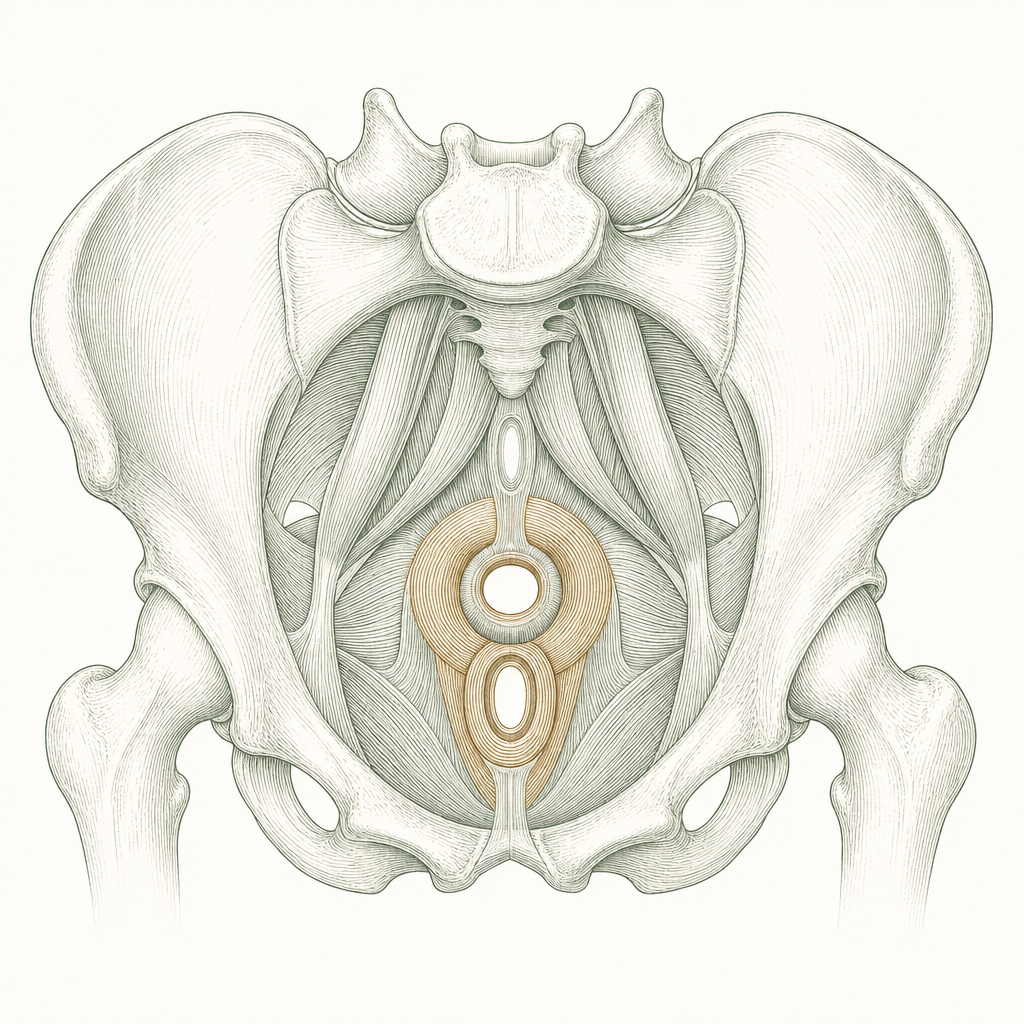
Difficulty controlling bowel motions, from leakage of wind to loss of solid stool.
Faecal incontinence is the term for any difficulty controlling when and where you pass a bowel motion. It ranges from occasional leakage of wind or liquid to losing control of solid stool. It is far more common than most people realise, particularly in older adults and in women after childbirth, which can injure the anal sphincter. Many people live with faecal incontinence silently for years, adjusting daily life around it. There is nothing to be ashamed of, and there is a great deal that can be done.
The causes include a weakened or damaged sphincter muscle, nerve problems that affect the sensation or control of the bowel, and severe constipation where liquid stool leaks around a blockage. A careful assessment helps identify which of these is at work, so that treatment can be matched to the actual cause.
Weakened or damaged sphincter
The anal sphincter can be weakened by childbirth, previous surgery, or the passage of time. When the muscle is not strong enough to hold, leakage follows.
Nerve problems
Nerve damage from childbirth, diabetes, or other conditions can affect both the sensation of needing to go and the muscle's ability to respond in time.
Overflow from constipation
Severe constipation can cause liquid stool to leak around a firm blockage, which can look and feel like incontinence even when the underlying problem is the opposite.
Mixed or combined causes
Often more than one factor is at play. A thorough assessment untangles the causes so that treatment addresses the right problem.
Common signs, and when not to wait.
Faecal incontinence takes many forms. Some people notice occasional accidental leakage; others find it limits their confidence, their social life, or their ability to leave the house. Whatever the pattern, it is worth getting it assessed. There is no threshold you have to reach before speaking to a doctor, and the earlier a cause is identified, the sooner things can improve.
- Leakage of wind at unexpected moments
- Liquid stool leaking without a clear urge
- Difficulty reaching the toilet in time after a sudden urge
- Soiling that affects your confidence or daily routine
- A feeling that you cannot fully control what happens
Some new symptoms need same-day attention.
Sudden new incontinence that comes together with back pain, leg weakness, or numbness can point to a nerve emergency that needs immediate assessment at a hospital emergency department. Do not wait for a routine appointment if those signs appear together. For incontinence that has developed gradually over weeks or months without those features, a planned assessment with Dr Lee is the right step.
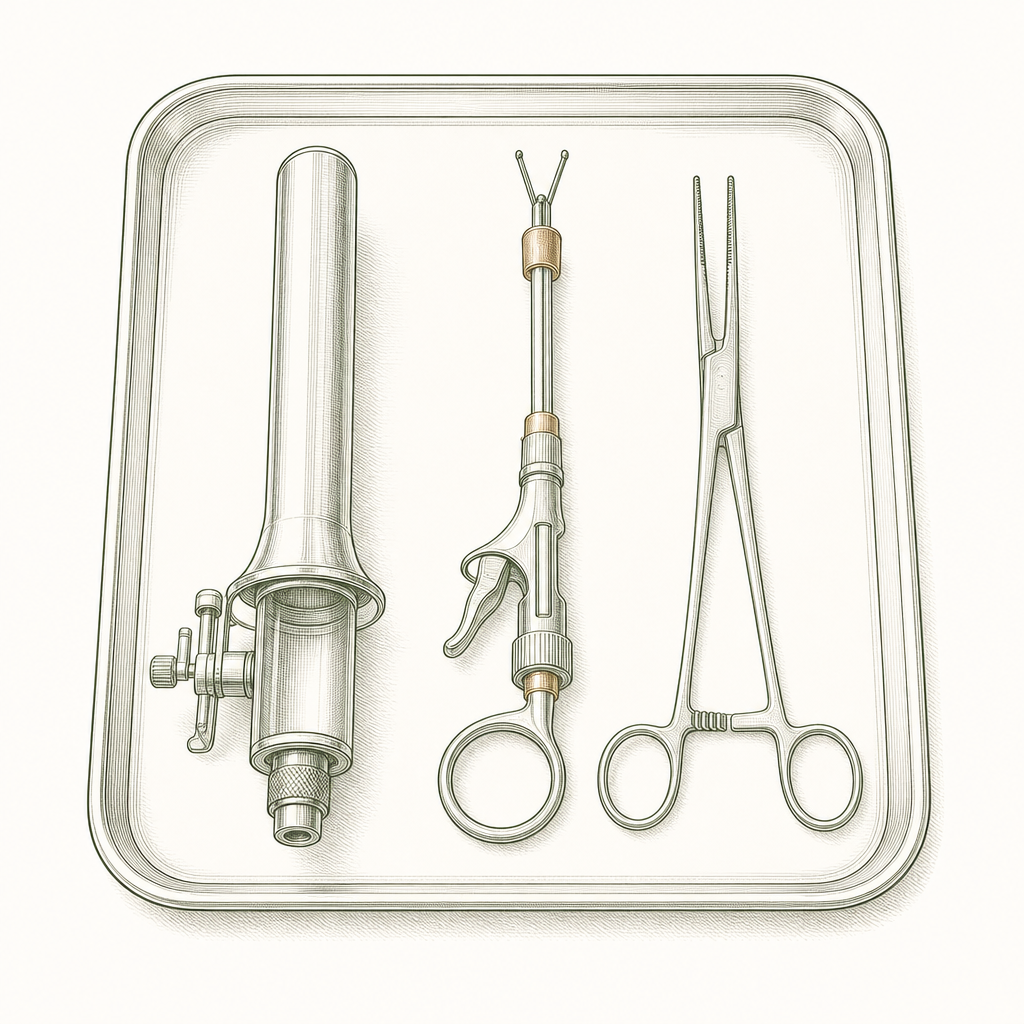
A careful assessment first, then a treatment pathway that fits you.
The first step is a careful history and examination. Dr Lee will ask about the pattern of symptoms, what makes them better or worse, any relevant events such as childbirth or previous surgery, and how the condition is affecting daily life. He will examine the area and may arrange tests of how the sphincter muscle and the nerves that control it are working. These tests are straightforward and help to identify the cause clearly.
Treatment starts with the simplest steps. Diet changes and bowel-habit adjustments often make a meaningful difference on their own. Pelvic-floor exercises and bowel retraining build control over time. Where constipation is contributing, treating it often reduces the leakage. If those measures do not bring enough improvement, procedures such as sphincter repair or sacral nerve stimulation may be considered where they are appropriate. Bowel function is reviewed over time and the plan is adjusted as things change.
- Diet changes and bowel-habit adjustments as the first step
- Pelvic-floor exercises and bowel retraining to build control
- Treating any underlying constipation or diarrhoea
- Sphincter repair or sacral nerve stimulation where procedures are needed
A surgeon who built care around older patients.
For an elderly parent, the questions are different. Is the anaesthetic safe? Will recovery be steady? As the former Surgical Lead for Geriatric Surgery at Khoo Teck Puat Hospital, Dr Lee developed assessment and recovery pathways designed around older patients, and co-authored a 2024 review in the Journal of Gastrointestinal Surgery on how surgeon-led geriatric care drives good outcomes in older patients undergoing abdominal surgery.
For families weighing up treatment for a parent, that experience is the difference between a procedure and a recovery. More about Dr Lee's background and approach.

Improvement comes with time and the right support.
Small changes make a difference early
Diet adjustments, fluid intake, and bowel-habit changes can reduce leakage noticeably within a few weeks. Dr Lee explains exactly what to adjust and what to expect as you go.
Exercises and retraining take a few weeks to show
Pelvic-floor exercises and bowel retraining take consistent effort over weeks, but most people notice real improvement. Getting the technique right from the start makes a difference.
Follow-up and adjustment over time
Bowel function is reviewed as treatment progresses, and the plan is adjusted based on what is working. If further steps are needed, they are discussed clearly before anything is scheduled.
Clear costs for faecal incontinence treatment, with MediSave and insurance guidance.
Your exact fee is explained clearly at consultation, before anything is scheduled.
You can check these figures against the published MOH fee benchmark page.
Where investigations or procedures such as sphincter repair are needed, they are typically MediSave claimable and covered under Integrated Shield Plans. Anaesthetist and facility fees are charged separately and vary by hospital.
Use what you are entitled to
Investigations and procedures for faecal incontinence are typically MediSave claimable, subject to the withdrawal limits set for the procedure. We help you apply it correctly.
Often covered by your plan
Procedures such as sphincter repair are usually covered under Integrated Shield Plans. We help you understand what your plan covers before anything is scheduled.
We handle the claim
The team assists with the forms and liaises with your insurer where possible, so you can focus on getting it done.
The plans we work with.
Dr Daniel Lee practises with Colorectal Clinic Associates (CCA). The clinic works with the insurers below, and the team assists with claims and eligibility checks.






















Faecal incontinence in Singapore, answered plainly.
Is faecal incontinence common?
Will I need surgery?
What tests will I need?
How long does it take to see improvement?
Will MediSave or my insurance cover it?
I am arranging this for an elderly parent. Is that different?
Faecal incontinence treatment across five private hospitals.
Related conditions Dr Lee treats.
A short message is enough to begin.
Whether the concern is for you or a family member, send a note with your name, number and what you are noticing. Dr Lee's team will reply on WhatsApp and arrange a time and location that suits you.