Colorectal cancer surgery in Singapore, by an experienced specialist.
A bowel cancer diagnosis is frightening, but it is also one of the most treatable cancers when handled by an experienced colorectal surgeon. Dr Daniel Lee performs colon and rectal cancer surgery, including keyhole (laparoscopic) operations where they are the safer choice, and brings deep experience to advanced and recurrent cases. Most patients do not end up with a permanent stoma, and the goal, from the very first consultation, is to get your life back to normal.
Removing the cancer, and as little else as possible.
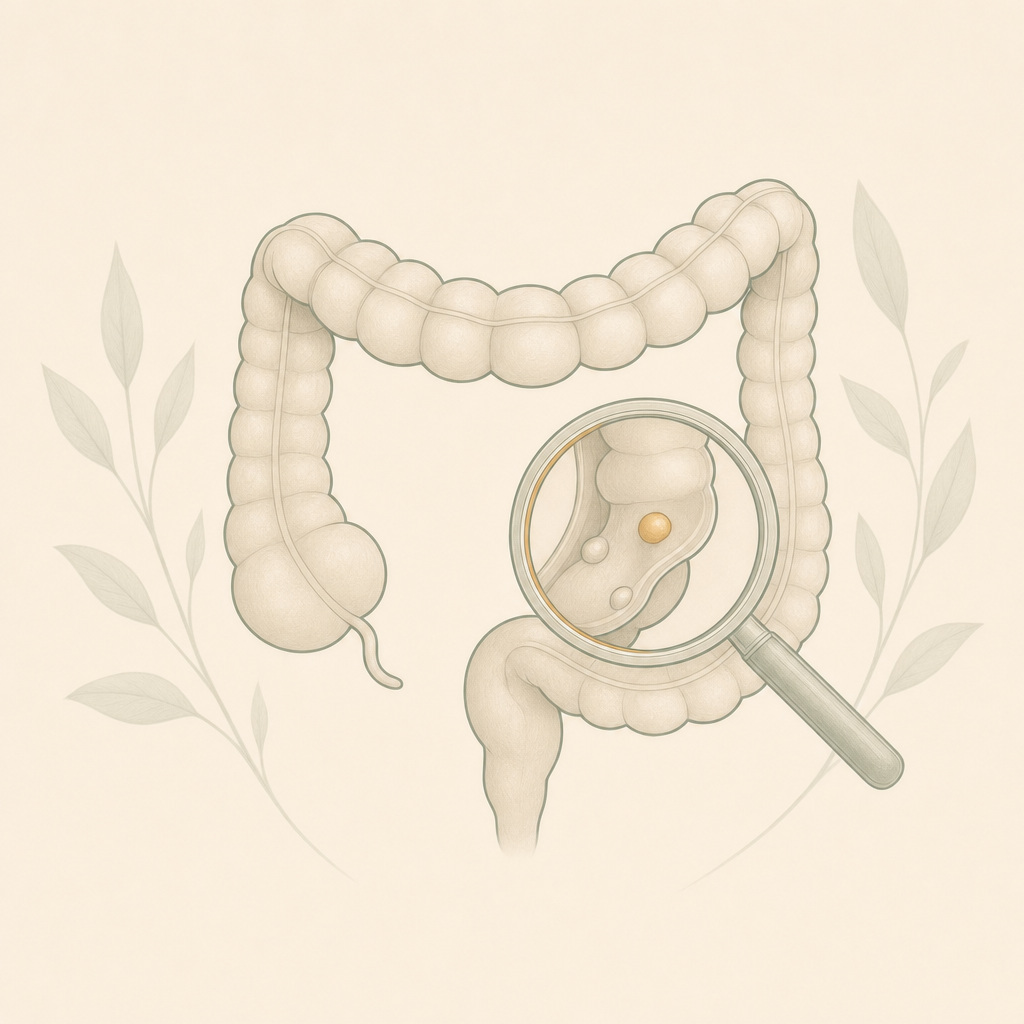
Colorectal cancer surgery removes the part of the bowel that contains the tumour, along with the nearby lymph nodes, and then rejoins the healthy ends so the bowel keeps working. The aim is always to remove the cancer completely while preserving as much normal function as possible. How it is done depends on where the cancer is, how advanced it is, and your overall health.
Wherever it is the safer choice, Dr Lee uses keyhole (laparoscopic) techniques, which mean smaller cuts, less pain, and a quicker recovery than open surgery. For some early rectal tumours, the cancer can be removed through the back passage without any abdominal cut at all. Every plan is matched to your specific situation, not a one-size-fits-all approach.
Keyhole (laparoscopic) resection
Removing the affected segment of colon or rectum through several small cuts, which usually means less pain and a faster recovery than open surgery, where it is suitable.
TAMIS for early rectal tumours
For selected early rectal cancers, the tumour can be removed through the back passage using minimally invasive transanal surgery, with no abdominal incision.
Colonic stenting
When a tumour is blocking the bowel, a stent can relieve the obstruction, either to settle things before planned surgery or to ease symptoms.
Advanced and recurrent disease
Dr Lee's Leeds fellowship and public-sector leadership bring real depth to complex, advanced, and recurrent rectal cancer, the cases that benefit most from a senior surgeon.
When surgery is the right step, and what comes first.
Surgery is usually recommended once a colonoscopy and scans confirm a cancer that can be removed. Before anything is scheduled, Dr Lee explains what was found, what the operation involves, and what recovery will look like, so you are never left guessing. For rectal cancer in particular, some patients benefit from treatment before surgery, which is planned together with the wider cancer team.
- A colonoscopy has confirmed a bowel cancer that can be removed
- Scans have shown the cancer's location and stage
- A blockage from a tumour needs to be relieved
- An early rectal tumour is suitable for minimally invasive removal
- Advanced or recurrent disease needs an experienced surgeon
Most patients do not end up with a permanent stoma.
The fear of a permanent stoma bag is one of the most common worries, and for most people it does not happen. In many operations the bowel is simply rejoined. When a temporary stoma is needed to let a join heal, it is usually reversed later. When a permanent stoma genuinely is the safest option, Dr Lee explains exactly why, well before the day, so it is never a surprise.
Keyhole where possible, planned around your recovery.
Where it is the safer choice, the operation is done by keyhole surgery, through several small cuts, using a camera and fine instruments. This usually means less pain, a shorter hospital stay, and a quicker return to normal life than open surgery. For some early rectal cancers, the tumour is removed through the back passage with no abdominal cut at all.
Recovery is planned from the very start. As the former Surgical Lead for Geriatric Surgery, Dr Lee builds the plan around getting you moving, eating, and home as safely and as soon as possible, with the wider cancer team involved where chemotherapy or radiotherapy is part of your care.
- Keyhole (laparoscopic) surgery where it is the safer choice
- Minimally invasive transanal removal for selected early rectal tumours
- Recovery planned from the outset to get you home sooner
- Coordinated with the wider cancer care team where needed
A surgeon who built care around older patients.
For an elderly parent, the questions are different. Is the operation safe at their age? How quickly will they recover? As the former Surgical Lead for Geriatric Surgery at Khoo Teck Puat Hospital, Dr Lee developed assessment and recovery pathways designed around older patients, and co-authored a 2024 review in the Journal of Gastrointestinal Surgery on how surgeon-led geriatric care drives good outcomes in older patients undergoing colorectal cancer surgery.
For families weighing up surgery for a parent, that experience is the difference between a procedure and a recovery. More about Dr Lee's background and approach.
A recovery planned around getting back to normal.
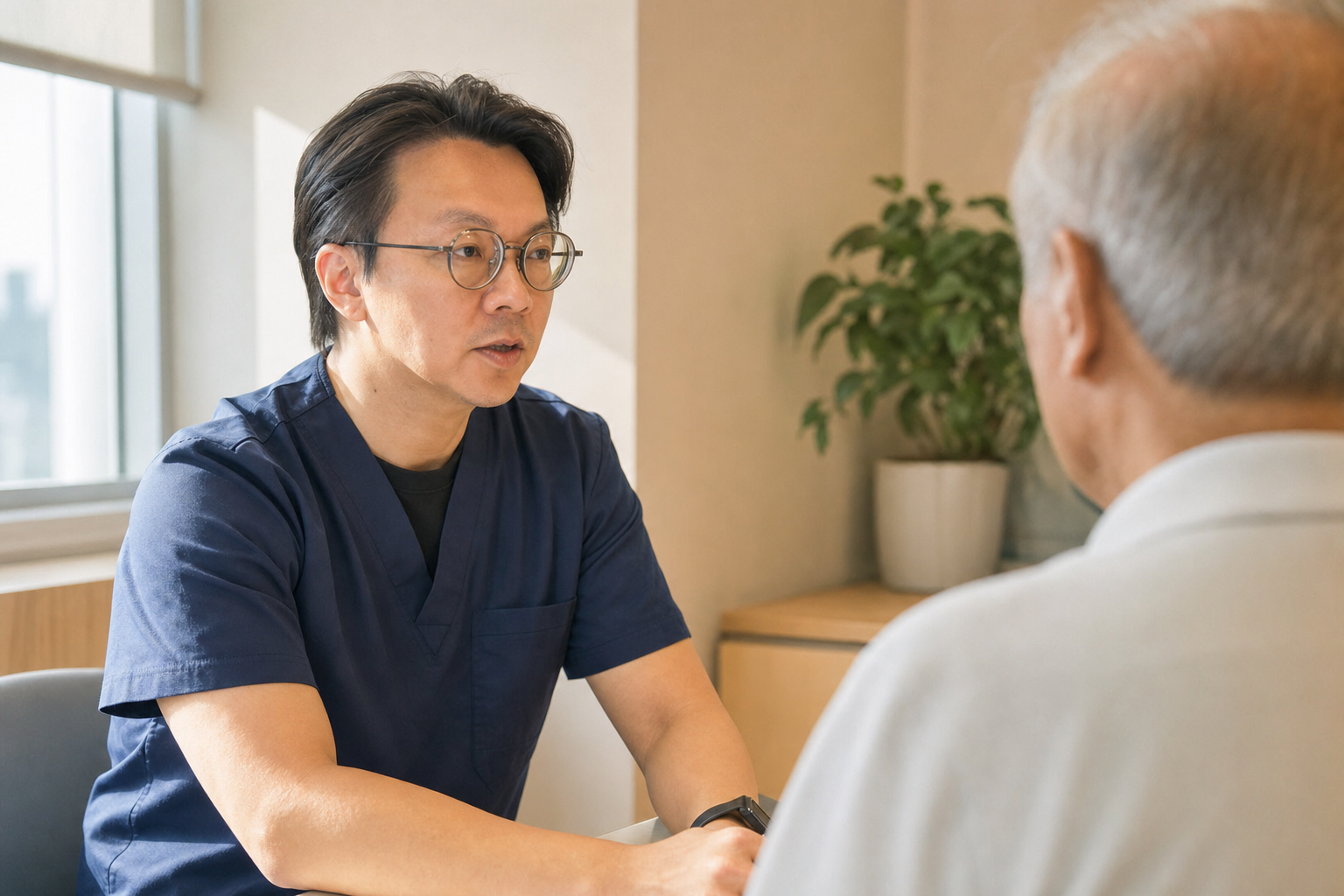
Moving early
Getting up and moving soon after surgery is one of the most important parts of recovery. The team supports you through those first days, and keyhole surgery makes them more comfortable.
Eating and home
Most patients are eating and back home within days of keyhole surgery, with clear instructions and a number to reach the team if anything worries you.
Follow-up and the bigger picture
What was removed is sent for testing, and Dr Lee explains the results and any further treatment plainly, coordinating with the wider cancer team so nothing falls through the cracks.
Clear guidance on cost, MediSave and insurance.
Cancer surgery is individualised, so the cost depends on the exact operation, whether it is keyhole or open, the hospital, and the length of stay. As a public guide, the Ministry of Health publishes surgeon-fee benchmarks. The figures below are the MOH surgeon-fee benchmark with GST, for the common bowel-resection operations. The anaesthetist fee and the hospital or facility fee are charged separately and are a significant part of the total. Your exact fee is explained clearly at consultation, before anything is scheduled.
| Type of operation | MOH surgeon fee benchmark (with GST) |
|---|---|
| Hemicolectomy (right or left colon)SF803C | SGD 12,317 to 17,658 |
| Sigmoid or transverse colectomySF806C | SGD 12,317 to 17,658 |
| Total colectomySF712C | SGD 13,080 to 19,620 |
These are published surgeon-fee benchmarks, before MediSave and insurance. Cancer surgery is typically MediSave claimable, and inpatient surgery is usually covered under Integrated Shield Plans, so most insured patients pay much less out of pocket than the full bill suggests. The team works through your likely cost and your coverage with you before anything is scheduled.
Surgeon fee benchmark only. The anaesthetist fee (about SGD 2,616 to 3,815 with GST) and the hospital fee (room, facility, consumables and length of stay) are charged separately and vary by hospital and ward. Cancer surgery is individualised; the figures above are a public guide, not a quotation.
Use what you are entitled to
Cancer surgery is typically MediSave claimable, subject to the withdrawal limits set for the procedure. We help you apply it correctly.
Often covered by your plan
Inpatient cancer surgery is usually covered under Integrated Shield Plans. We help you understand what your plan covers before anything is scheduled.
We handle the claim
The team assists with the forms and liaises with your insurer where possible, so you can focus on your treatment and recovery.
Fee benchmark figures are the Ministry of Health (Singapore) surgeon-fee benchmarks (procedures SF803C, SF806C, SF712C), with GST, and are a public guide, not a quotation.
Colorectal cancer surgery in Singapore, answered plainly.
Will I need a permanent stoma bag?
Is keyhole (laparoscopic) surgery better than open surgery?
How long is the recovery after bowel cancer surgery?
Will I need chemotherapy as well?
Will MediSave or my insurance cover it?
I am arranging this for an elderly parent. Is surgery safe?
Surgery and consultations across five private hospitals.
Related conditions and procedures.
A short message is enough to begin.
Whether the consultation is for you or a family member, send a note with your name, number and what you are facing. Dr Lee's team will reply on WhatsApp and arrange a time and location that suits you.